Language
You can read the magazine in one of the following languages
5-min read

 Bookmark now

 Copy Link
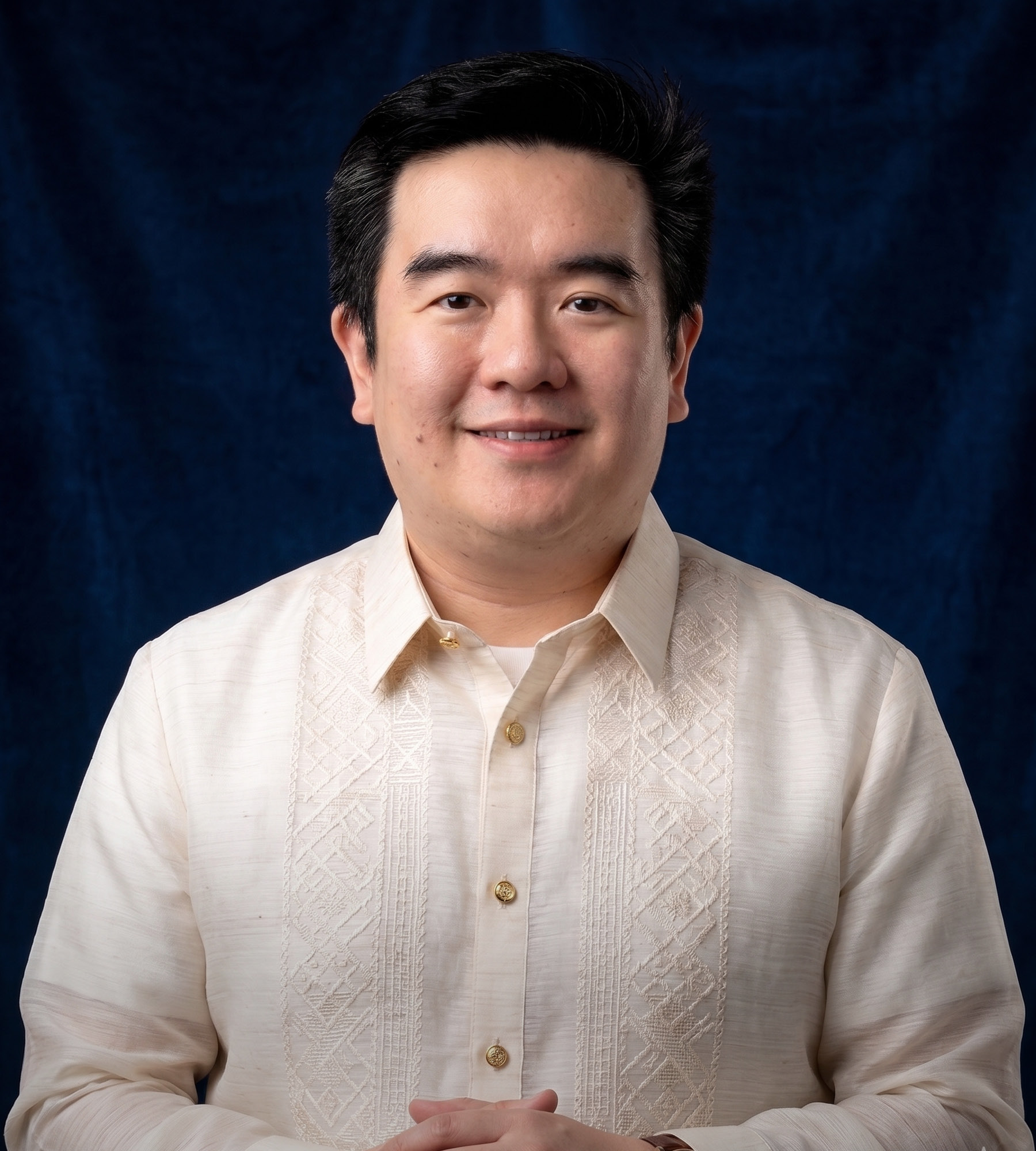
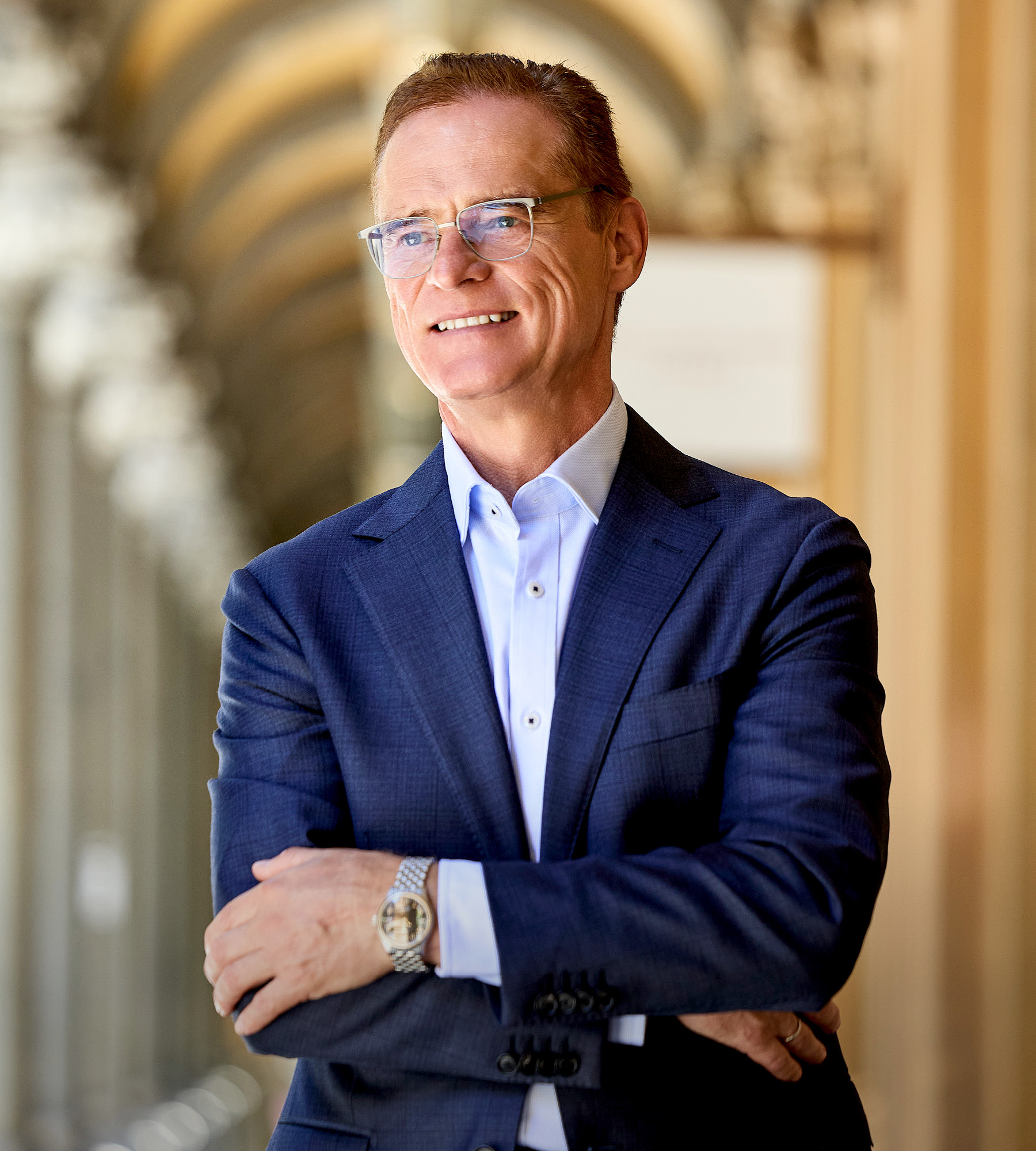
The automotive landscape of 2026 is a very different place from what it was in 2006. The difference 20 years makes is not lost on Jan Andrew Po, President of Grand Canyon Multi Holdings, one of the Philippines’ most trusted multi-brand vehicle dealerships.
“I lead with a focus on relevance,” he tells The CEO Magazine.
Grand Canyon Multi Holdings is home to the MG brand, a perennial top seller in the Philippines. MG has made a determined push into the electric vehicle sector in recent years, complementing its range of affordable cars in the market. The MG ZS compact SUV, in particular, is a common sight on Filipino roads, so it’s no wonder MG has followed it up with the budget-friendly ZS EV.
With a steady stream of popular products, Po could be forgiven for taking his foot off the accelerator and simply letting the cars sell themselves. Instead, he’s floored it.
“My job isn’t to defend the way we’ve always done things,” he says. “It’s to ensure we’re evolving at the same pace as our customers. We prioritize observation and data more than our competitors, so if the market shifts, we shift with it.”
At the moment, that shift seems to indicate a move away from the traditional brick-and-mortar dealers.
“The old ‘if you build it, they will come’ strategy is no longer enough to win today’s market,” he says. “For the past five or six years, online ads have basically done all the selling.”
Despite this efficiency, client acquisition costs have risen sharply to the point where they’re almost half of Grand Canyon’s margins.
“So our vision is to transition Grand Canyon from a traditional dealership into a mobility partner for our clients, and to do that, we’re genuinely trying to build brand loyalty,” he says.
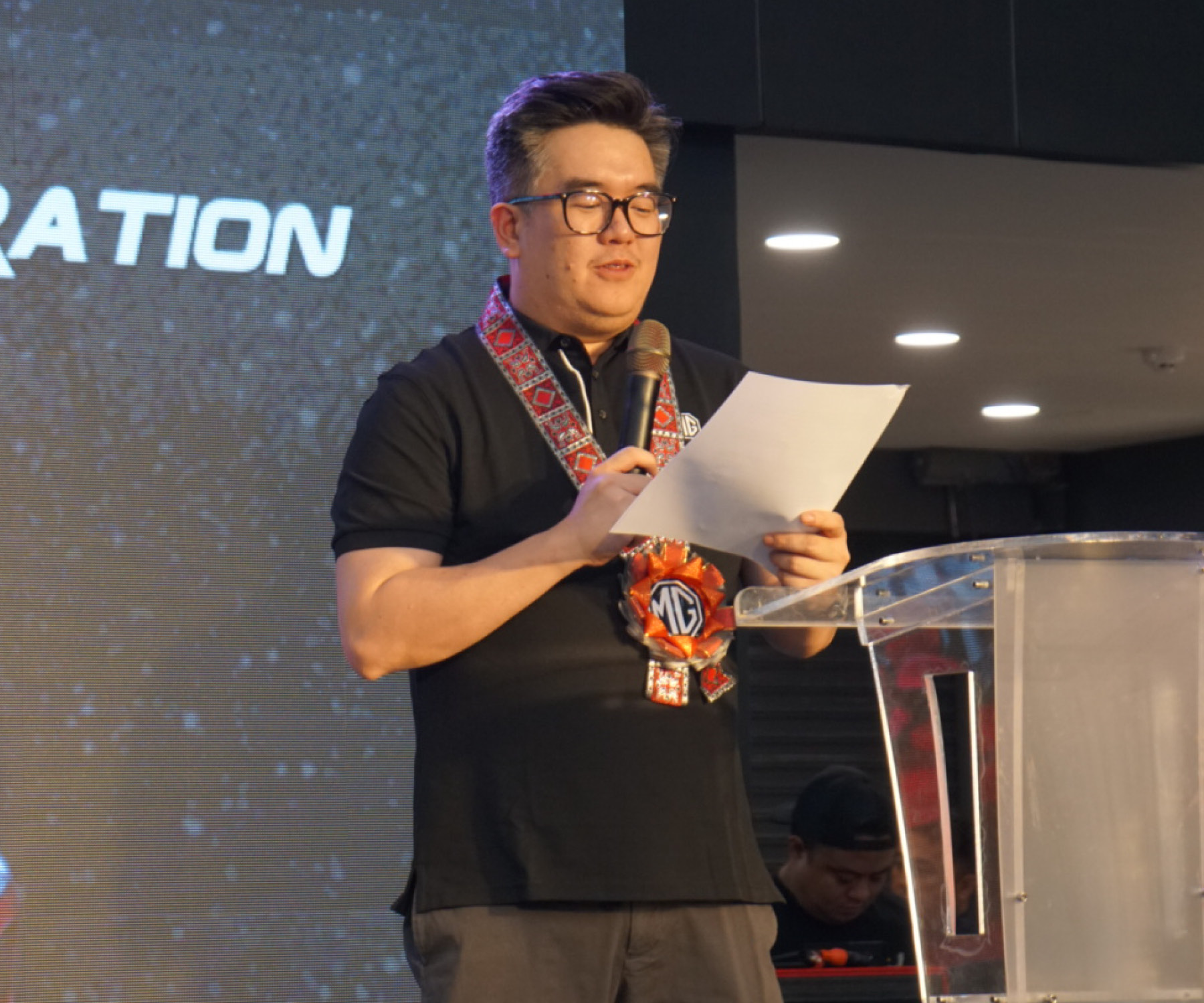
“We prioritize observation and data more than our competitors, so if the market shifts, we shift with it.”
And that starts at the dealer. Despite the downturn of the brick-and-mortar concept, Po has emphasized that Grand Canyon dealers are easy to contact.
“One of the pain points for buying a car in the Philippines is that the dealer is never available,” he says. “We’re creating an ecosystem where customers stay with us because of the value we provide throughout the life of the vehicle, not just at the point of sale. We want to be the name people trust to keep them moving.”
This runs counter to a force-growth approach, something Po says doesn’t interest him.
“The reason we as a dealer group have one of the smaller footprints in the market is because we don’t enter areas where competition is purely down to price,” he says. “It’s easy to sell 10 times the cars but not really make any value, so we look for regions where our infrastructure aligns with local demand.”
That’s why Grand Canyon focuses on provincial hubs where the gap between customer needs and what’s available is significant.
“It’s not about the size of your physical showroom; it’s about the depth of the service network,” he says.

To support this, Grand Canyon has focused sharply on expanding its after-sales capabilities, including the creation of centralized after-sales management teams and centralized repair hubs.
“As we scale, we can maintain consistent quality and operational efficiency,” Po says. “And we can take care of the vehicle for its entire lifecycle, making us a long-term partner of our customers.”
The knock-on effect of this is that it keeps the Grand Canyon name strongly associated with the car for years after the purchase. Few among us can recall where they bought their car or even care to do so. Po says his strategy turns this on its head.
“We’re moving from simply buying clicks through digital advertising costs to investing in long-term brand equity,” he says.
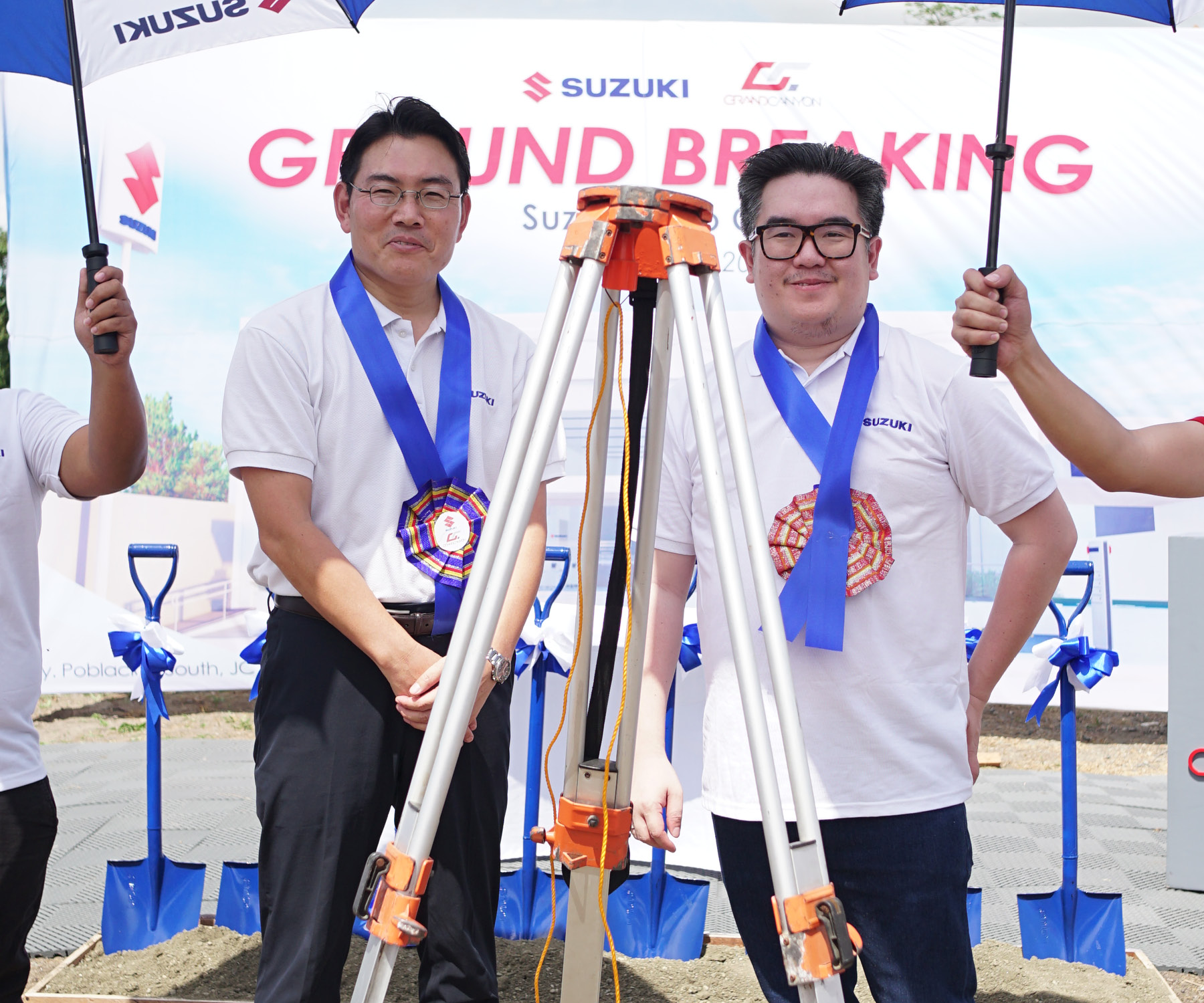
“All of my experience has prepared me to lead Grand Canyon toward the future, where we’ll remain a trusted, innovative and adaptive institution.”
“Our primary goal for integrating digital tools is to ensure faster delivery of service parts and vehicles. The primary pain point where customers jump to another brand boils down to service and parts, so we’re using data-driven insights to provide more transparent communications regarding delivery times and pricing.”
Clear, real-time information should, he says, remove the friction often found in the traditional dealership experience.
“We’re also bridging the competence gap between theoretical training and actual field implementation. Basically, we’re making sure promise times for clients are met,” he adds.
Improving the client experience isn’t always within a dealer’s control, but Po is making a great effort to change that. Through partnerships with global automotive brands such as MG, Mitsubishi Motors, Suzuki, Nissan and Kia, Po says Grand Canyon has an incredible advantage in that regard.
“These are open-minded partners that maintain open communication,” he says. “They allow us to align our local expertise with global vision. We also collaborate with esteemed partners such as SAP for data management and leading banks such as Bank of Philippine Islands for our wholesale and retail financing. This ensures every stage of the customer journey is handled with professional integrity.”
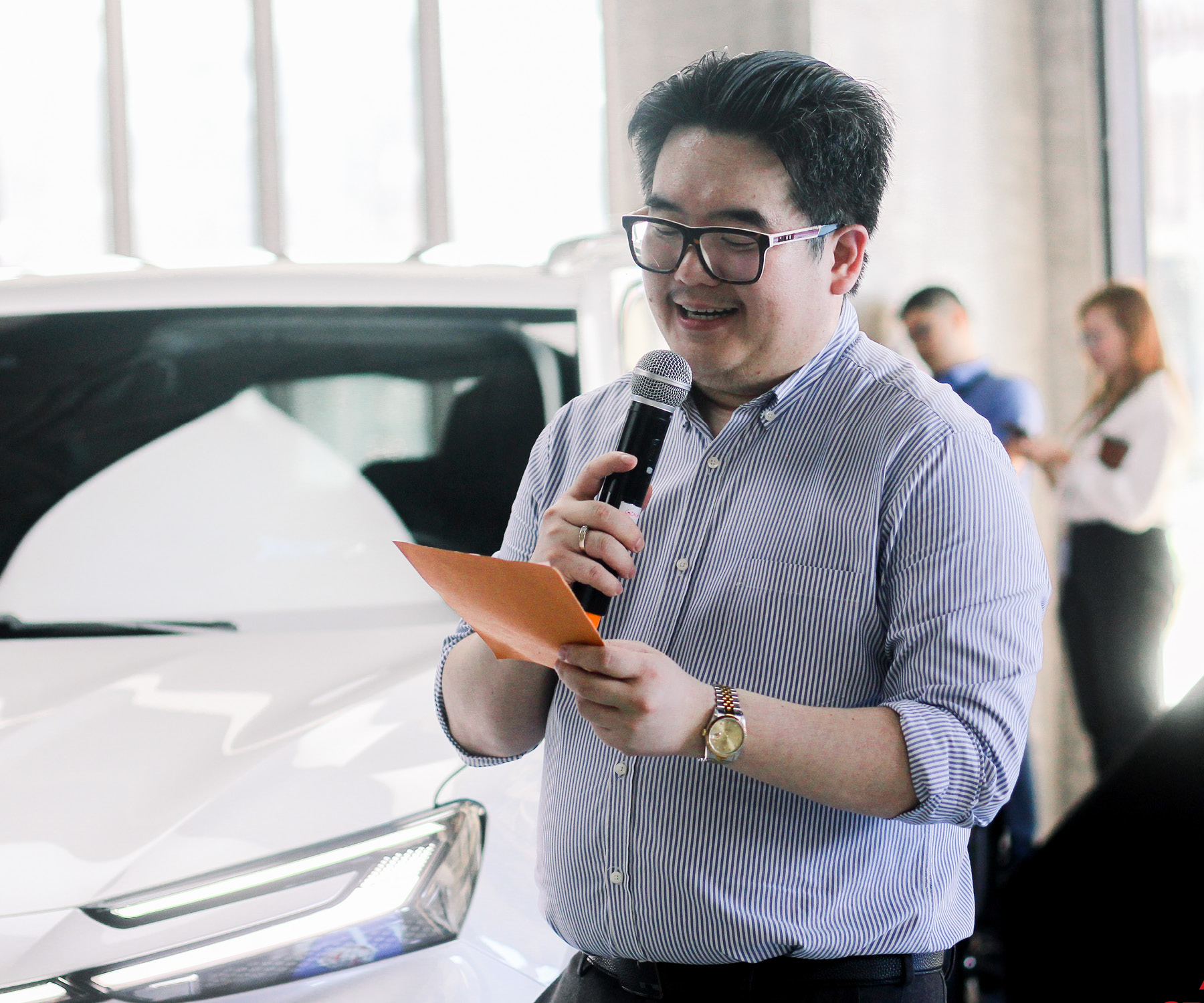
“I lead with a focus on relevance.”
Sitting as he does in the driver’s seat, Po says navigating the uncertain road ahead relies on his realization that strategy is only as good as its implementation on the ground.
“Witnessing the disconnect between a corporate theory and the actual dealership floor in our local market was a defining experience for me,” he says. “It prepared me to lead by prioritizing practical competence over empty metrics.”
True leadership in the automotive industry is, he adds, a matter of high-level vision and a willingness to understand the smallest operational detail.
“The most resilient businesses are those built on authentic relationships, whether navigating a crisis or planning a 10-year expansion,” he says.
 RELATED ARTICLES
  SPOTLIGHTS ON LEADERS


 Home
Home
 Podcasts
 Covers
 Be Featured
 Community