Language
You can read the magazine in one of the following languages
4-min read

 Bookmark now

 Copy Link
To live a long, healthy and happy life, you need to maintain a level of physical health that allows you to fulfill your daily and life goals. If you’re living with physical health problems, such as chronic disease or pain, you are at much greater risk of developing anxiety or depression – so it’s much better to look at prevention.
This is where your ability and willingness come into play. I could very easily ‘do nothing’, for example, and start falling into the trap of being sedentary and emotionally eating. Soon enough, my battery would start to plummet – but I’ve been there before and I’m not willing to go there again, especially when I have overactive children on my hands.

All of these activities can enhance cognitive function, reduce stress, increase energy and productivity, reduce health risks and loneliness and improve longevity.
The thing is, if you haven’t moved in a while, it’s very hard to find the motivation to get started, which is similar to the concept of inertia (which is the tendency of an object to stay as it is, whether at rest or in motion). This concept reminds me of my first car, a little white Datsun sedan I bought for US$300. Each morning, I would have to use the choke just to get it warmed up; it was almost like it was sitting there thinking, ‘Do I really want to put my joggers on?’
But once the car got moving, it purred, and it felt really good. Movement creates movement; the more you move, the more you want to keep moving, and once you do, just like with my little Datsun, it feels really good.
Another reason my physical health is so important is that I know the benefits it has on my work life and especially on my productivity and creativity. And to be at peak performance, I know I have to move my body.
Post-lunch, I notice that my brain activity starts to decline. I could just sit at my desk, staring at a blank screen or notepad, but I’m only kidding myself if I think I’m going to do good work. The term for this is presenteeism – being physically present but performing below your best.

One of the most important factors in all of this is modeling good behaviors to your team.
Instead, I know that moving my body is a wonderful way to bring my brain back online. So I’ve built a daily habit to go and move my body after lunch, perhaps through a walking meeting, gym with a work buddy or a beach swim if I’m working from the home office.
Consider the following to put more movement into your work day for you and your team:
• Commute using movement: Try walking or cycling to work, for example. This is good for you and good for the environment.
• Walk and talk: Whether it’s face-to-face or a conversation on your phone, make a habit of moving meetings.
• Arrange some ‘play dates’: Collect some workmates and find a collective hobby over a long lunch, such as going for a jog or to the gym or simply going for a walk in the park.
• Use the stairs: If this is an option in your building, use the stairs instead of the lift every time you arrive and leave.
• Set up a post-work workout: Getting in some sort of activity before going back home after work can boost your energy to bring positive vibes into the household.
All of these activities can enhance cognitive function, reduce stress, increase energy and productivity, reduce health risks and loneliness and improve longevity – benefits enough on their own, but even better if you’re getting paid for it.
One of the most important factors in all of this is modeling good behaviors to your team. As an example of this, I was recently on a Zoom chat with a very inspiring CEO who heads up a statewide department.
This very busy leader is aspiring to create positive systemic change across her department through preventative health measures. One of her workplace initiatives is to allow all her staff an hour over lunch to do something that will improve their wellbeing, and she makes sure this happens by kicking everyone out (weather permitting) and locking the door.
Edited extract from Energized: The Daily Practice of Connected Leadership and Sustainable Wellbeing by Tim Jack Adams.

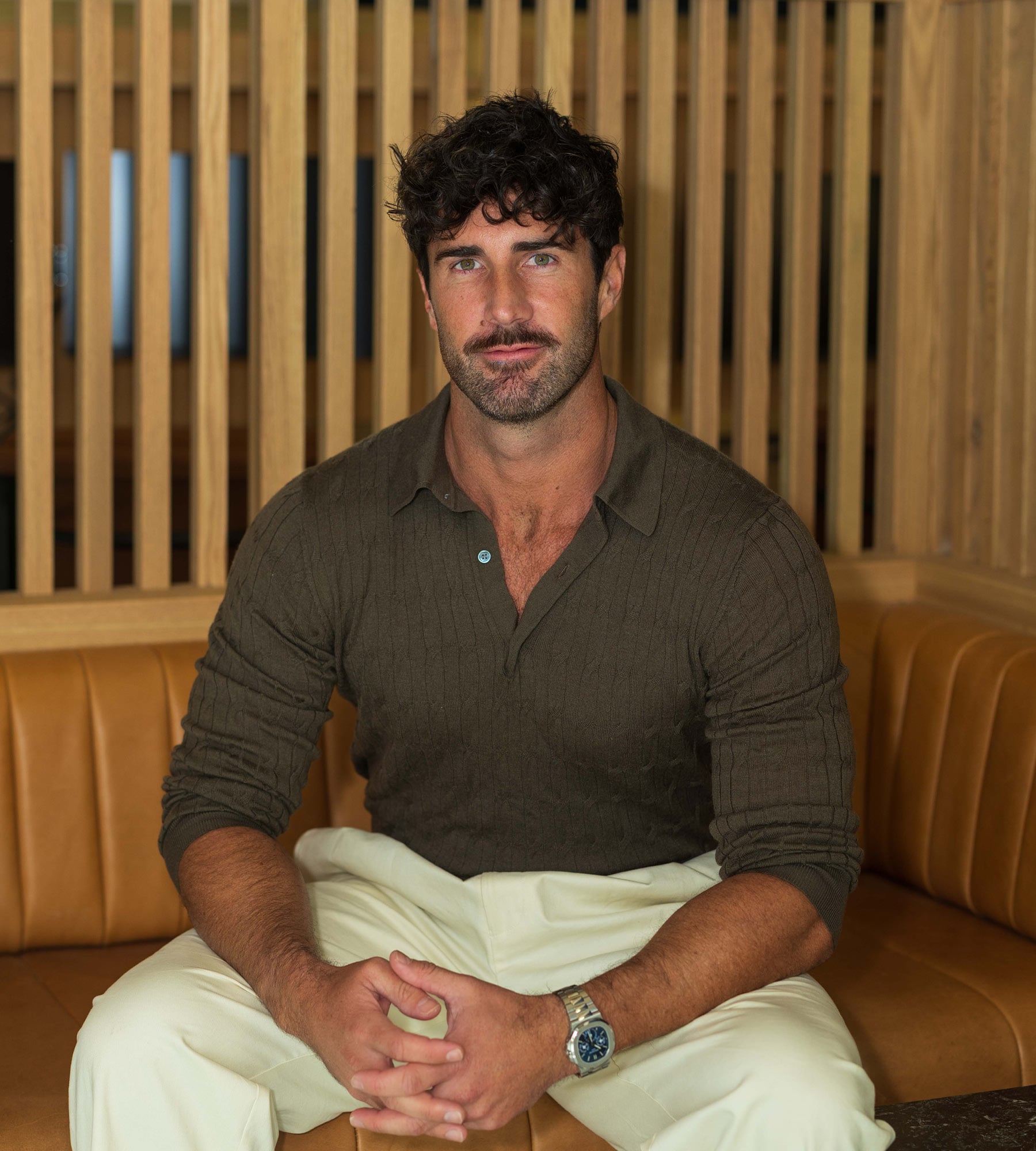
Tim Jack Adams
Contributor Collective Member
Tim Jack Adams is a global speaker and a pioneering thought leader in human sustainability and performance. He has spent over a decade guiding leaders and teams to reconnect with themselves and others through nature. Through corporate programs, retreats and coaching, he has worked with global organizations, including PwC, the Australian Defence Force and Six Senses. Tim’s insights empower people to create lasting wellbeing habits and sustainable success in work and life. ‘Energized: The Daily Practice of Connected Leadership and Sustainable Wellbeing’ is his first book. Find out more at http://www.greenx7.com
 RELATED ARTICLES
 SPOTLIGHTS ON LEADERS



 Home
Home
 Podcasts
 Covers
 Be Featured
 Community